Platform comparison
| Platform | YES odds | NO odds | Fee | KYC | Settlement | |
|---|---|---|---|---|---|---|
Polymarket (via Prediction Today) Pick polygram.ink (preferred broker) |
100% | 0% | 0% (USDC on-chain) | No-KYC up to $1,500 | USDC, auto via UMA oracle | Live odds → |
Polymarket (direct) polymarket.com |
100% | 0% | 0% | Geo-blocked in US/UK/EU | USDC, on-chain | Live odds → |
Kalshi kalshi.com |
— | — | Up to 7% per trade | US-only, KYC required | USD | Live odds → |
Betfair Exchange betfair.com |
— | — | 2-5% commission | Full KYC from first trade | GBP / EUR | Live odds → |
Manifold Markets manifold.markets |
— | — | Play-money (mana) | None — play-money | Mana (no cash-out) | Live odds → |
Outcome probabilities
Current market-implied probability for each outcome, from the live order book.
| Outcome | Probability |
|---|---|
| 34°C | 100% |
| 27°C or below | 0% |
| 28°C | 0% |
| 29°C | 0% |
| 30°C | 0% |
| 31°C | 0% |
| 32°C | 0% |
| 33°C | 0% |
| 35°C | 0% |
| 36°C | 0% |
| 37°C or higher | 0% |
Market context
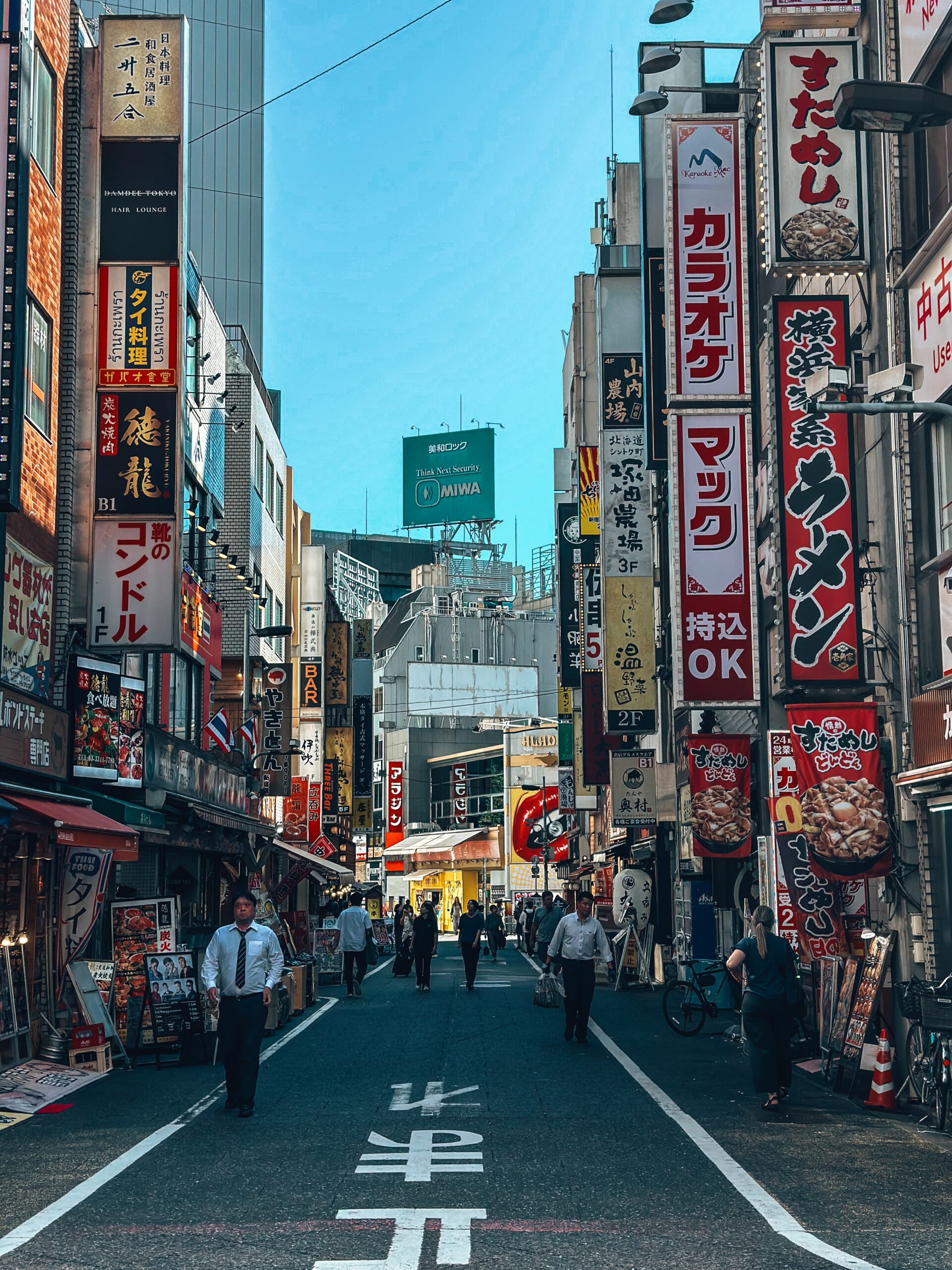
Tokyo's weather on 14 July 2026 will be measured against historical mid-summer conditions at Haneda Airport, where temperatures typically peak between 32–35°C during the height of the rainy season. The settlement mechanism relies on Wunderground's historical data feed from the airport station, which records hourly observations throughout the day. The 0% crowd probability suggests traders are either absent from this market or treating the outcome as highly uncertain given the distance to the resolution date.
July temperatures in Tokyo have shown considerable year-to-year variation. The past decade's records from Haneda show peaks ranging from 31°C to 37°C on mid-July dates, with 2019 and 2023 recording notably elevated readings above 36°C during comparable periods. The tsuyu (rainy season) typically concludes by mid-July, allowing for sharper temperature swings depending on whether high-pressure systems dominate or moisture-laden air masses persist. Comparable historical data from Japan Meteorological Agency archives indicates that extreme heat events (above 37°C) occur in roughly 20–30% of July occurrences at major urban stations.
Traders should monitor seasonal forecasts released by JMA in the coming months, particularly their June outlooks for July conditions. El Niño or La Niña patterns established by early 2026 will significantly influence whether the western Pacific high-pressure system strengthens, driving heat northward into the Tokyo region. Any tropical cyclone activity in late June could also suppress July temperatures through cloud cover and moisture, whilst early-season heat domes would push readings toward the upper ranges.
Methodology
This page is a comparison snapshot: one live quote, four reference venues with their key attributes, and a single execution path — every trade button routes to Prediction Today, which mirrors the Polymarket order book directly.
Resolution & payout
At resolution the UMA oracle takes over: a proposer posts the outcome with a bond, any token holder can dispute within two hours. Without dispute the result is accepted and the smart contract distributes USDC instantly.
On Kalshi (CFTC-regulated) resolution runs through their in-house clearing engine in USD. Betfair Exchange settles after match end in the account's local currency. Manifold pays no cash — only its in-platform "mana" currency.
FAQ
- Is this market available outside the US?
- Polymarket itself is geo-blocked in the US/UK/EU. Always check the legal status of prediction markets in your jurisdiction before trading.
- How does resolution work?
- Through the UMA Optimistic Oracle on Polygon: a proposer submits the outcome, a two-hour challenge window opens, and USDC payouts settle automatically once the result is final.
- What's the difference between YES and NO shares?
- A YES share pays $1.00 if the event happens, $0 otherwise. A NO share pays $1.00 if the event doesn't happen. The market price between 0¢ and 100¢ is the implied probability.
- How fast are USDC deposits?
- Polygon credits deposits after 12 confirmations — usually under 30 seconds. Withdrawals follow the same path and land back in your wallet within minutes.
- How reliable are the quoted odds?
- The YES/NO percentages are the live mid-prices of the Polymarket order book. On deep markets they move every few seconds; on thinner ones you'll see short plateaus.
%22%2F%3E%3Cpath%20d%3D%22M%206%2066%20A%2026%2026%200%200%201%2058%2066%22%20fill%3D%22%23E6B98D%22%20opacity%3D%220.9%22%2F%3E%3Ccircle%20cx%3D%2232%22%20cy%3D%2226%22%20r%3D%2222%22%20fill%3D%22%23F5CBA7%22%2F%3E%3Crect%20x%3D%2214%22%20y%3D%224%22%20width%3D%2236%22%20height%3D%228%22%20rx%3D%224%22%20fill%3D%22%23fdba74%22%2F%3E%3C%2Fsvg%3E) and
and%22%2F%3E%3Cpath%20d%3D%22M%206%2066%20A%2026%2026%200%200%201%2058%2066%22%20fill%3D%22%23E6B98D%22%20opacity%3D%220.9%22%2F%3E%3Ccircle%20cx%3D%2232%22%20cy%3D%2226%22%20r%3D%2222%22%20fill%3D%22%23F5CBA7%22%2F%3E%3Cpolygon%20points%3D%2216%2C18%2020%2C4%2024%2C18%22%20fill%3D%22%23fdba74%22%2F%3E%3Cpolygon%20points%3D%2224%2C18%2028%2C3%2032%2C18%22%20fill%3D%22%23fdba74%22%2F%3E%3Cpolygon%20points%3D%2232%2C18%2036%2C3%2040%2C18%22%20fill%3D%22%23fdba74%22%2F%3E%3Cpolygon%20points%3D%2240%2C18%2044%2C4%2048%2C18%22%20fill%3D%22%23fdba74%22%2F%3E%3C%2Fsvg%3E)
Trade Highest temperature in Tokyo on July 14? on Prediction Today
Live order book, 0% fees, USDC settlement in seconds.
Open live market →