Platform comparison
| Platform | YES odds | NO odds | Fee | KYC | Settlement | |
|---|---|---|---|---|---|---|
Polymarket (via Prediction Today) Pick polygram.ink (preferred broker) |
34% | 66% | 0% (USDC on-chain) | No-KYC up to $1,500 | USDC, auto via UMA oracle | Live odds → |
Polymarket (direct) polymarket.com |
34% | 66% | 0% | Geo-blocked in US/UK/EU | USDC, on-chain | Live odds → |
Kalshi kalshi.com |
— | — | Up to 7% per trade | US-only, KYC required | USD | Live odds → |
Betfair Exchange betfair.com |
— | — | 2-5% commission | Full KYC from first trade | GBP / EUR | Live odds → |
Manifold Markets manifold.markets |
— | — | Play-money (mana) | None — play-money | Mana (no cash-out) | Live odds → |
Outcome probabilities
Current market-implied probability for each outcome, from the live order book.
| Outcome | Probability |
|---|---|
| United States | 34% |
| United Kingdom | 5% |
| France | 5% |
| Germany | 2% |
| Netherlands | 1% |
| Greece | 1% |
| Italy | 1% |
| Australia | 1% |
Market context
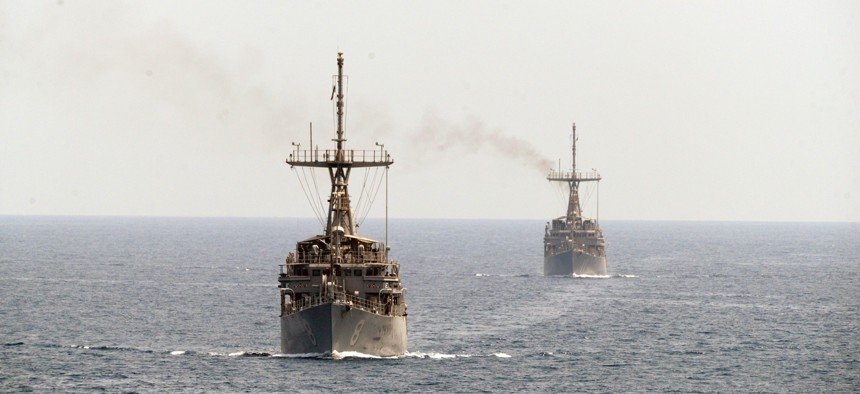
The Strait of Hormuz has remained a focal point for naval operations, with multiple nations maintaining freedom-of-navigation patrols through the waterway. Recent developments in regional tensions and the ongoing presence of international naval coalitions have kept transit activity elevated, though the specific question of which additional countries might send warships through the chokepoint by mid-2026 hinges on geopolitical shifts rather than routine operations. The 5% implied probability reflects the market's assessment that new entrants—beyond those already conducting regular transits—are unlikely to establish a warship presence in the Strait over the next eighteen months.
Historical precedent suggests that warship transits through the Strait typically occur either as part of established international naval arrangements or in response to acute regional crises. The US Navy, Royal Navy, and French Navy have conducted regular transits for decades; Australia and Japan have participated in freedom-of-navigation operations; and Gulf-aligned states maintain constant patrols. Significant new entrants have generally required either formal coalition participation or escalation of regional conflict. The 2019 tanker attacks and subsequent US-led maritime security initiatives saw limited expansion of participating navies, with most operations concentrated amongst existing Western and allied partners.
Traders should monitor announcements regarding new multilateral naval coalitions, particularly any involving non-traditional Strait participants, and track statements from regional powers about escalation or de-escalation. The International Maritime Organization and defence ministry statements from non-aligned nations would signal intent to deploy warships. Current diplomatic channels remain relatively stable, with no announced plans for new naval task forces in the region as of late 2024.
Methodology
We track Which countries will send warships through the Strait of Hormuz by July 31? across the five venues with material prediction-market liquidity. The probability shown is the live Polymarket mid; the comparison rows summarise how each venue treats the underlying contract — fees, KYC thresholds, settlement currency, deposit options. The highlighted row marks the cheapest route into Polymarket's order book.
Resolution & payout
At resolution the UMA oracle takes over: a proposer posts the outcome with a bond, any token holder can dispute within two hours. Without dispute the result is accepted and the smart contract distributes USDC instantly.
On Kalshi (CFTC-regulated) resolution runs through their in-house clearing engine in USD. Betfair Exchange settles after match end in the account's local currency. Manifold pays no cash — only its in-platform "mana" currency.
FAQ
- Where can I trade this market with the lowest fees?
- Polymarket is geo-blocked in the US/UK/EU. The easiest 0%-fee broker into the same order book is Prediction Today. Kalshi charges up to 7% per trade; Betfair Exchange takes 2-5% commission on net winnings.
- How does resolution work?
- Through the UMA Optimistic Oracle on Polygon: a proposer submits the outcome, a two-hour challenge window opens, and USDC payouts settle automatically once the result is final.
- What does Polymarket cost to trade?
- Polymarket itself charges 0% — the only cost is the Polygon network fee, typically under $0.01 per transaction. Off-chain venues like Kalshi or Betfair charge 2-7% commission.
- How fast are USDC deposits?
- Polygon credits deposits after 12 confirmations — usually under 30 seconds. Withdrawals follow the same path and land back in your wallet within minutes.
- How reliable are the quoted odds?
- The YES/NO percentages are the live mid-prices of the Polymarket order book. On deep markets they move every few seconds; on thinner ones you'll see short plateaus.
%22%2F%3E%3Cpath%20d%3D%22M%206%2066%20A%2026%2026%200%200%201%2058%2066%22%20fill%3D%22%23E6B98D%22%20opacity%3D%220.9%22%2F%3E%3Ccircle%20cx%3D%2232%22%20cy%3D%2226%22%20r%3D%2222%22%20fill%3D%22%23F5CBA7%22%2F%3E%3Crect%20x%3D%2214%22%20y%3D%224%22%20width%3D%2236%22%20height%3D%228%22%20rx%3D%224%22%20fill%3D%22%23fdba74%22%2F%3E%3C%2Fsvg%3E) and
and%22%2F%3E%3Cpath%20d%3D%22M%206%2066%20A%2026%2026%200%200%201%2058%2066%22%20fill%3D%22%23E6B98D%22%20opacity%3D%220.9%22%2F%3E%3Ccircle%20cx%3D%2232%22%20cy%3D%2226%22%20r%3D%2222%22%20fill%3D%22%23F5CBA7%22%2F%3E%3Cpolygon%20points%3D%2216%2C18%2020%2C4%2024%2C18%22%20fill%3D%22%23fdba74%22%2F%3E%3Cpolygon%20points%3D%2224%2C18%2028%2C3%2032%2C18%22%20fill%3D%22%23fdba74%22%2F%3E%3Cpolygon%20points%3D%2232%2C18%2036%2C3%2040%2C18%22%20fill%3D%22%23fdba74%22%2F%3E%3Cpolygon%20points%3D%2240%2C18%2044%2C4%2048%2C18%22%20fill%3D%22%23fdba74%22%2F%3E%3C%2Fsvg%3E)
Trade Which countries will send warships through the Strai… on Prediction Today
Live order book, 0% fees, USDC settlement in seconds.
Open live market →